Food Risk Analysis
In a nutshell
Codex Alimentarius (FAO/WHO) provides a framework for analysing food risk
Few regulators have applied it to raw milk, and assessments differ in scope and conclusions
This article describes the framework
I decided to write this short article after starting to read and write about raw (unpasteurized) milk. I was struck by the fact that it is drunk by people in most countries of the world, and even more so by the ways in which its consumption is governed. That in turn led me to question how well I’d covered what is known about its safety. I realised how variable the safety data is—not that different people claimed different things, but that the variability lay in the ways people defined “safety.” Hence the need for this article, in which I chose a definition with which to revisit my thoughts on raw milk safety.
I’ll discuss:
International food risk analysis standards and application
Food risk analysis – the big picture
Food risk assessment – what we need to figure out raw milk safety
International food risk analysis standards and application
The framework I think works best for figuring out the safety of raw milk comes from the Codex Alimentarius Commission, which is a joint FAO/WHO body. FAO and WHO supply scientific advice and Codex sets standards. A simple description can be found here.
My preliminary research leads me to believe that few national regulators have done formal assessments on raw milk and few assessments are comparable. For example, New Zealand’s MPI appears to be the only one completed for raw milk rather than raw milk cheeses. In 2015 the European EFSA was unable to complete a formal quantitative assessment because of data gaps.
Food Risk Analysis – The Big Picture
At the highest level, the framework provides a three-part, interlinked process (Figure 1).
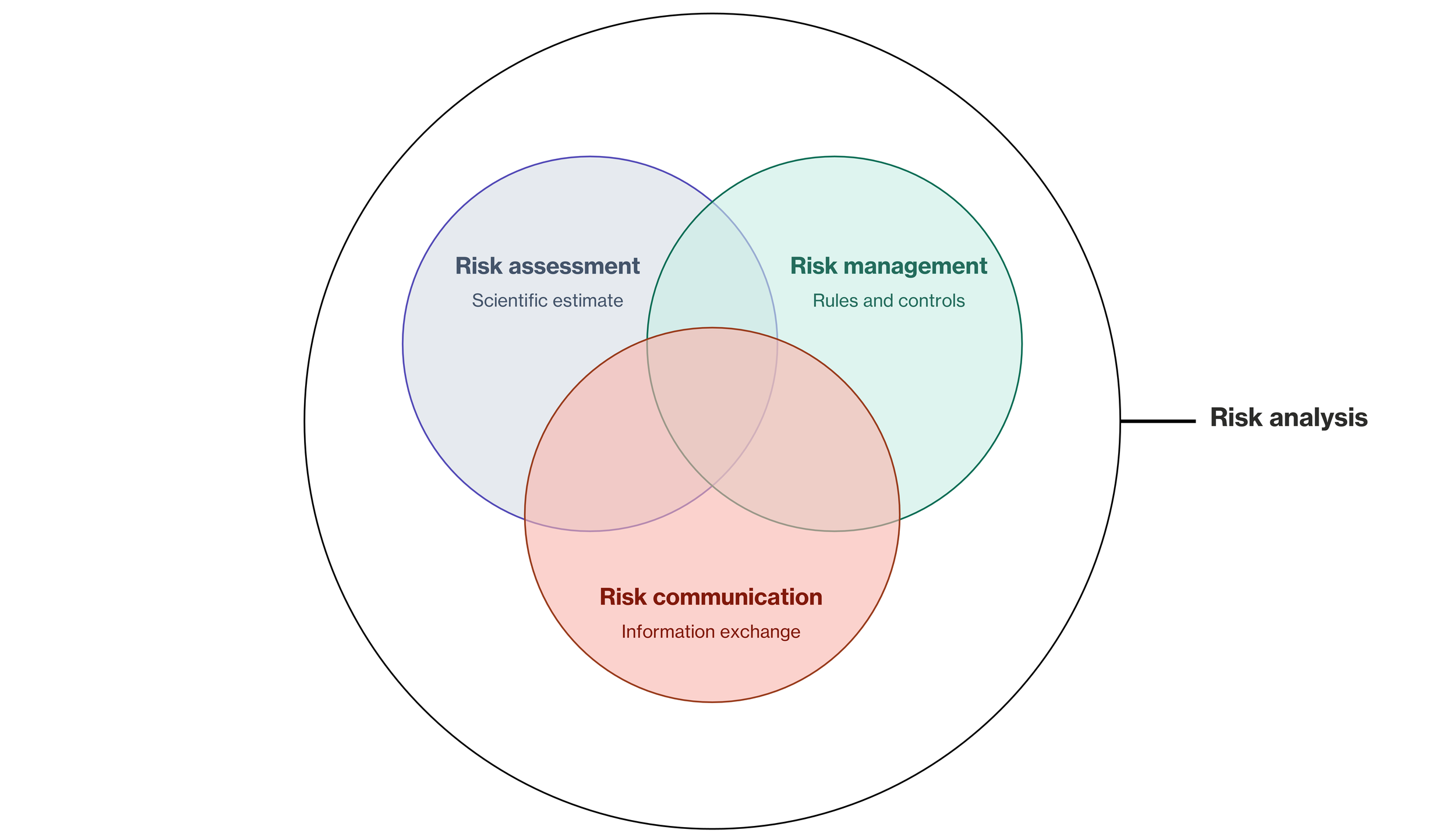
Figure 1: Three interlinked elements of food risk analysis
Risk assessment is the scientific part. It describes the type and size of harm likely to arise from a specific food-borne hazard. Assessment of risk employs a four-part process (Figure 2)
Risk management takes into consideration the potential harm, if any, identified during risk assessment. Risk is managed by implementing whatever is deemed necessary to control the identified hazard
Risk communication is the exchange of information and opinion among numerous stakeholders such as assessors, managers and the public
Food risk analysis is not a one-way, one-and-done process. The overlapping circles show that, for example, managers may commission a risk assessment and communicate the perceived risks with other managers and the public. That communication may feed more information back into the assessment and management processes.
Food Risk Assessment – what we need to figure out raw milk safety
The high-level food risk analysis begins with risk assessment. This is the technical part of the process, and it answers two basic questions; how likely is harm and how bad could it be? It consists of a four-part process in which the first three components feed into the fourth (Figure 2).
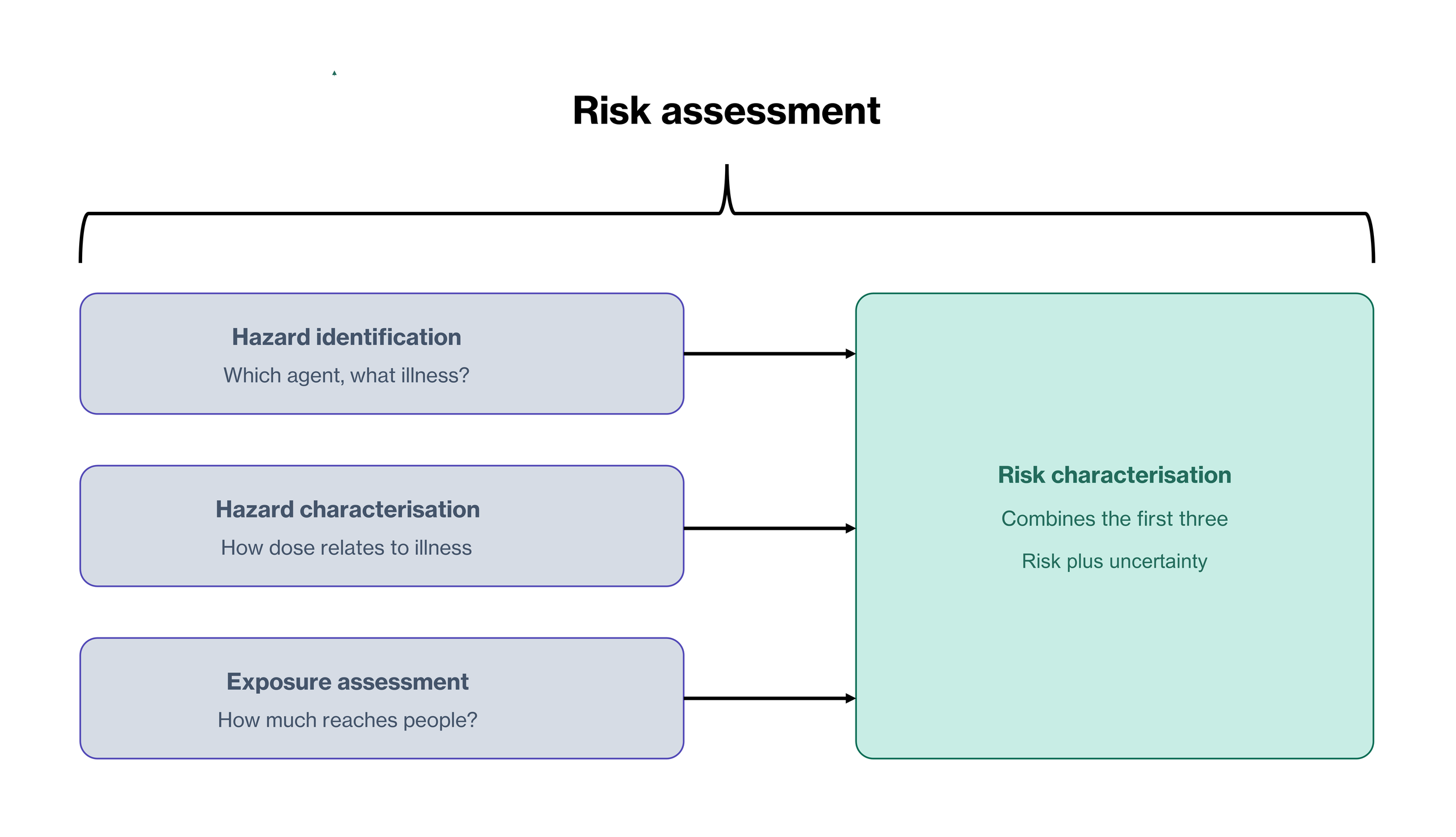
Figure 2: Four elements of food risk assessment
Hazard identification identifies which agents can cause harm through this food, and what illness they may cause
Hazard characterisation (dose-response) tells us how the amount ingested relates to the chance and severity of illness. Data can come from outbreak records and lab or animal studies
Exposure assessment tells us who and when people are likely to be exposed to the identified hazard, and by how much. This is often a weak link in the whole process because it is rarely well understood who eats or drinks what, and by how much.
Risk characterization combines steps 1 to 3 into a relative estimate such as illnesses per million servings, combined with a credible estimate of uncertainty
Summary
This article describes a very simple way to assess food supply risk.
With this framework in hand, I’ll revisit my previous article on raw milk safety. I’ll use it like a series of filters and see what countries, if any, have applied a rigorous assessment of raw milk safety and secondly if that insight was used to logically manage and communicate their findings throughout a safe supply chain.