Sunlight protects against flu
In a nutshell
Sunlight in late summer and autumn reduces flu incidence - likely via UVB-induced vitamin D production
Benefits also from lower transmission outdoors and UVB's direct antiviral effects
Dietary supplements important in winter and higher southern and northern latitudes

The title of this article draws from a 2021 paper entitled “Sunlight and Protection Against Influenza” [1]. In the discussion below, I assume that the relationship between sunlight and flu transpires because UVB rays in sunlight produce vitamin D in the skin.
I dig into three issues below:
The evidence and alternative mechanisms
The Benefits
Practical considerations
The evidence and alternative mechanisms
Evidence
The authors analysed sunlight and flu data across America from 2008 to 2018 and concluded:
“Our major result is that incremental sunlight in the late summer and early fall has the potential to reduce the incidence of influenza.”
The authors highlight 2009, a year in which flu cases came early, as showing a particularly strong pattern of strong sunlight resulting in fewer cases of flu. However, they also state that the same relationship existed in other years, albeit less obviously.
Alternative mechanisms
As always, we have to be careful when exploring associations between variables (sunshine-associated vitamin D) and outcome (incidence of flu).
The authors of this study make clear that additional factors that they did not control for may have been in play. For instance:
Reduced person-to-person virus transmission – resulting from less time indoors and more outside enjoying nature
Sunlight (specifically UVB) essentially kills the flu virus before it reaches us
Vitamin D from UVB exposure in my opinion likely plays a central role, but sunlight's benefits may extend beyond it.
The benefits
The study’s data suggest that late-summer and autumn sunlight could prevent over 26,000 doctor visits for flu annually in the U.S. alone. That is a meaningful improvement in public health.
Practical considerations
I believe that sunlight boosts vitamin D levels and lowers flu risk. However, how do we apply this safely and effectively in everyday life? Here are my thoughts:
Safe UVB exposure
Adequate UVB exposure
Exposure to UVB in higher latitudes in winter
Safe exposure to UVB
I’ve addressed this subject before so I won’t spend much time here. Safe sun exposure distills down to three components:
Minimize dietary seed oils - these unnatural fats are unstable and promote chronic inflammation; UVB on inflamed skin heightens sunburn risk
Prepare your body to receive UVB – Watch the sun rise in the morning when UVB is low. This aligns your circadian rhythm and primes your biochemistry for later UVB
Time it right - Aim for "pink" skin without burning and adjust for location, season, and skin type. Midday summer exposure (bare skin) might take 30 minutes near the equator or up to a couple of hours in Scotland
Adequate (not too much) UVB exposure
There are a few factors to consider as follows:
UVB doesn't penetrate clothing - expose torso, arms, and legs.
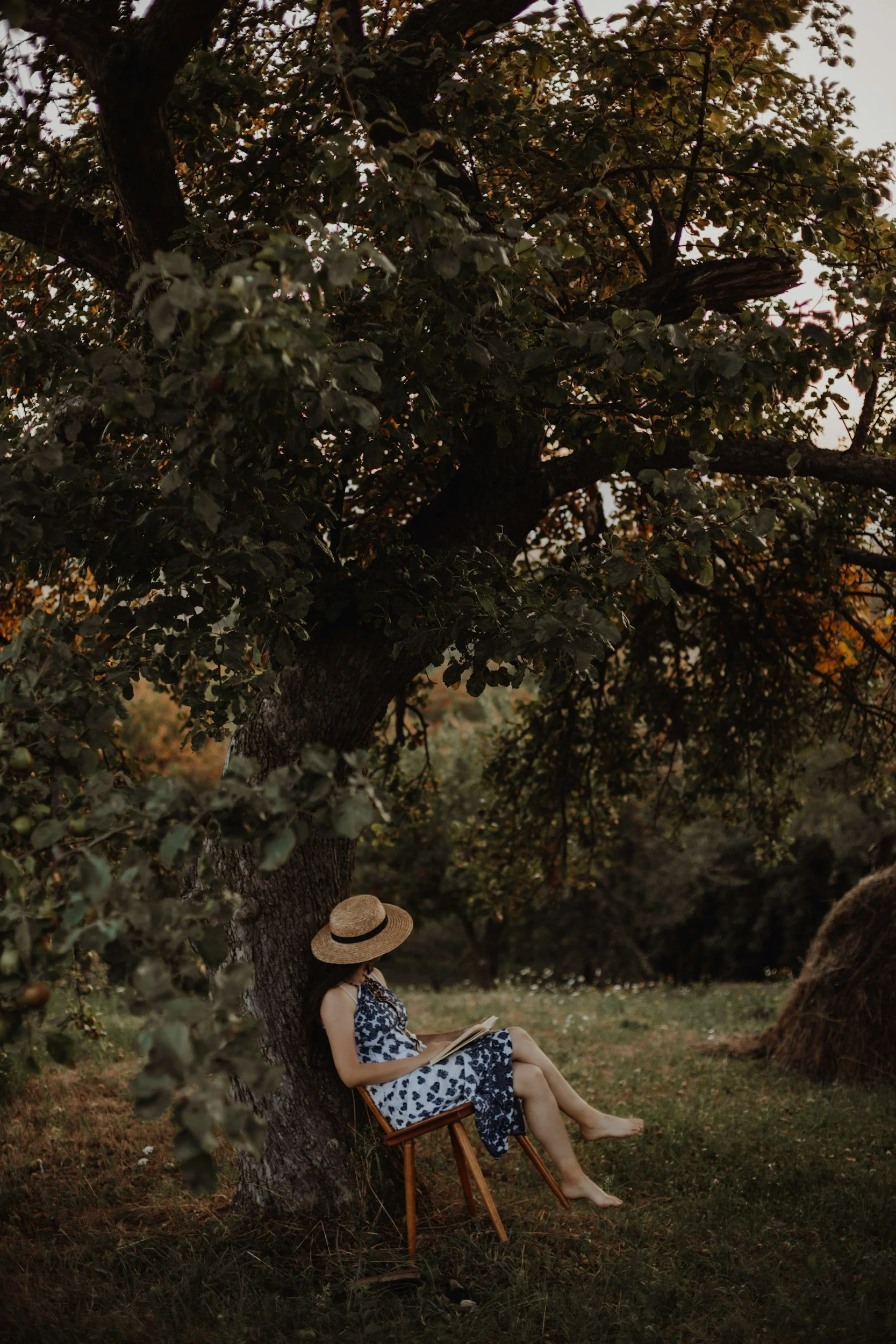
Protect when needed. Seek shade (under a tree), wear a hat and long sleeves/leggings, or use sunglasses.
Use sunscreen as a last resort –potential chemical contamination
Exposure to UVB at higher latitudes in winter
In places like Scotland (or similar northern or southern latitudes), the classic view is that the sun's low angle precludes meaningful UVB from October to March. However, I think some scattered UVB may still reach the skin, though it's minimal.
If we do experience a "vitamin D winter" at higher latitudes, with little to no dermal synthesis for months, it makes sense to take a supplement. - more on that below.
Summary
I'm not claiming that vitamin D is the sole reason for lower flu rates - sunlight likely contributes through multiple pathways. Nevertheless, vitamin D serves as a strong proxy.
Dietary supplements of vitamin D also help (as I’ve described before). A study of 36,000 adults revealed that people with severe vitamin D deficiency were 33 percent more likely to end up in hospital. The authors summarise:
“Evidence from randomized trials and observational studies further supports the role of vitamin D supplementation in reducing the incidence and severity of influenza.”
Incidentally, it is encouraging to see those results reported in a mainstream news outlet.
The original paper's [1[ authors note that while supplements work, sunlight offers more:
“Apart from its methodological contributions, this study reinforces the long-held assertion that vitamin D protects against acute upper respiratory infections. One can secure vitamin D through supplements, or through a walk outdoors, particularly on a day when the sun shines brightly. When most walk, through herd protection, all benefit.”
Living in Scotland, I supplement year-round (5,000 IU daily in summer and 10,000 IU in winter). For my friends in the Southern Hemisphere - your late-summer sun is the perfect time to build stores for winter. Get outside, soak up that sunlight safely, and stay well!
References
Slusky DJG, Zeckhauser RJ. Sunlight and Protection Against Influenza. Econ Hum Biol. 2021 Jan;40:100942. doi: 10.1016/j.ehb.2020.100942. Epub 2020 Nov 14. PMID: 33340885.