Two Types of Raw Milk – One Is Safe and Healthy
In a nutshell
Two types of raw milk – one is safe to drink, the other is not and must be pasteurised
Production standards critical – raw drinking milk is produced to be clean and safe
Allergies and asthma less common in children drinking safe raw milk
This is the first in a series of articles about raw milk. Future posts will cover:
The health benefits of raw milk
Producing raw milk safely
Buying raw milk legally?
There are two types of raw milk
There are two types of raw milk, both starting as unpasteurized straight from the animal. Both may derive from cows, sheep, and goats for example, but cows are the most common. The predominant type of raw milk is intended as a feedstock for pasteurization before consumption. The other, less common, is intended for direct human consumption.
The important difference between the two types lies in their standards of production. Raw milk for direct human consumption is produced to be safe in its raw state. Production of raw milk intended for pasteurization requires less stringent on-farm hygiene and higher microbial loads are tolerated because it will be heat-treated prior to consumption.
In essence raw milk for direct consumption is held to production standards similar to those for raw meats, fish, vegetables, or other foods we routinely buy and eat uncooked or minimally processed.
Milk intended for direct human consumption
Raw milk intended for direct human consumption relies on safer production standards than bulk tank mix to prevent contamination during production rather than to eliminate contamination introduced during production via pasteurisation.
This milk prioritizes prevention of contamination through a series of rigorous practices:
Healthy herds with regular veterinary attendance resulting in low mastitis rates and minimal antibiotic use
Strict udder hygiene
Rapid cooling, and bottling
Frequent testing for pathogens and indicator bacteria
These standards aim for very low microbial loads and zero detectable pathogens. This is no different from best practices for other raw foods we buy daily.
Raw milk intended for pasteurisation (Bulk tank mix)
This is mostly what is produced on our farms:
Produced with less stringent animal health and hygiene standards to maximize volume
Herds may have higher mastitis or antibiotic reliance
Pooled from many farms, with higher tolerance for contamination
Bulk tank dilution and pasteurisation intended to eliminate safety risks
If contamination is excessive, milk may be discarded—but the system assumes pasteurization as the safety net.
Production standards at a glance
See Table 1 for a comparison of key differences in animal health, handling, distribution, and microbial criteria. Standards for safe raw drinking milk are more rigorous than those for pre-pasteurized milk—and in some cases stricter even than for finished pasteurized milk.
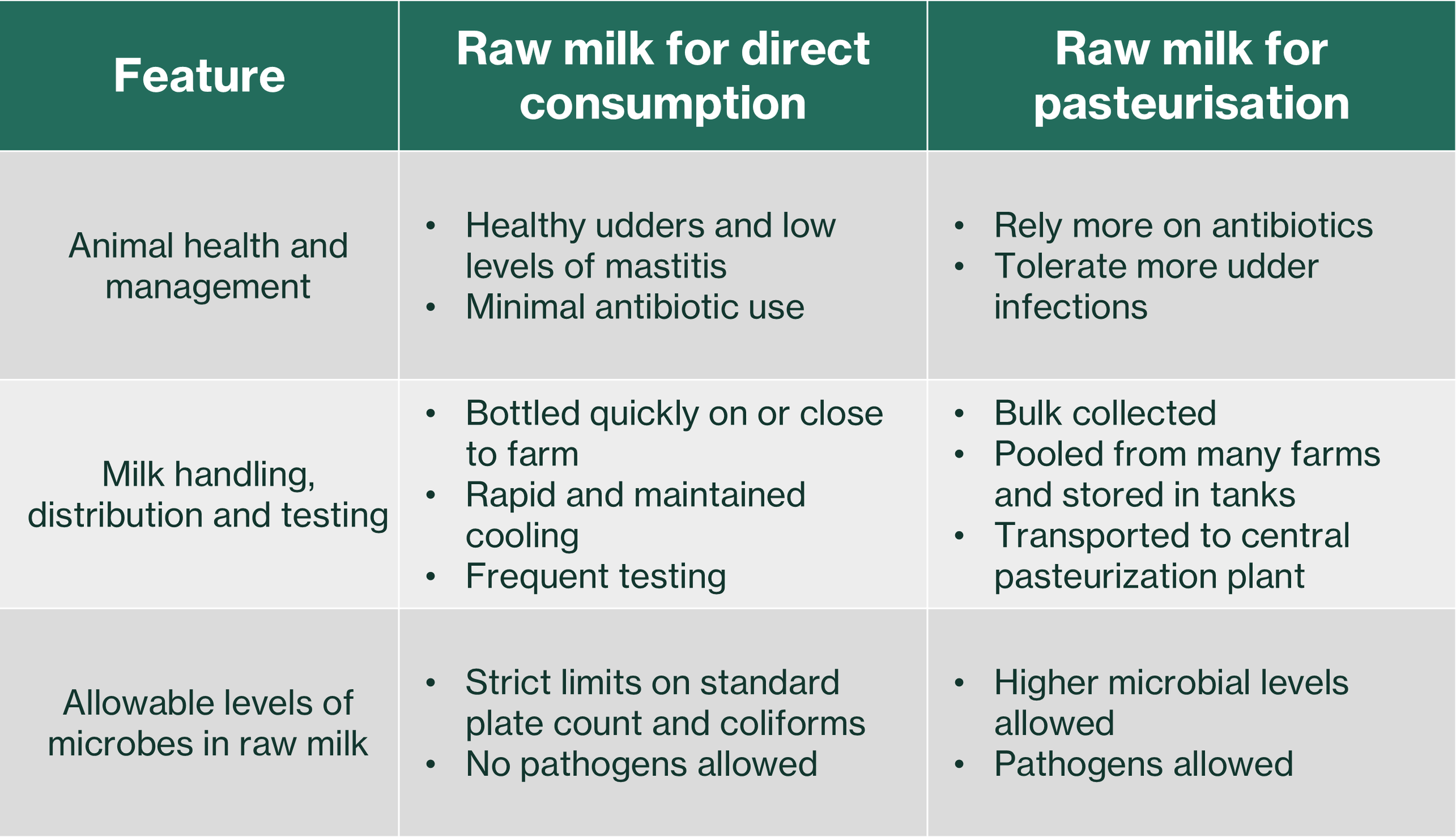
Table 1: Key differences in raw milk production standards at a glance
Safety of the two types of raw milk – what the data shows
I have found only one summary of data comparing the two. Data from the BC Herdshare Association archived in Comparison of Conventionally Produced Milk with Raw Milk Produced According to Best Practices shows some important differences.
I did not go to the original source data at the link. In Tables 2 and 3 I have simply listed original data sources as numbers in the Reference column.
The two tables show test results for two different types of tests, namely conventional culture-based methods and more novel PCR methods. You may recognize the term PCR, it was practically a household term a few years ago.
Pathogens were frequently detected in bulk/pre-pasteurized raw milk. In contrast, raw milk produced under best practices for direct consumption shows zero pathogens in thousands of samples across multiple tests.
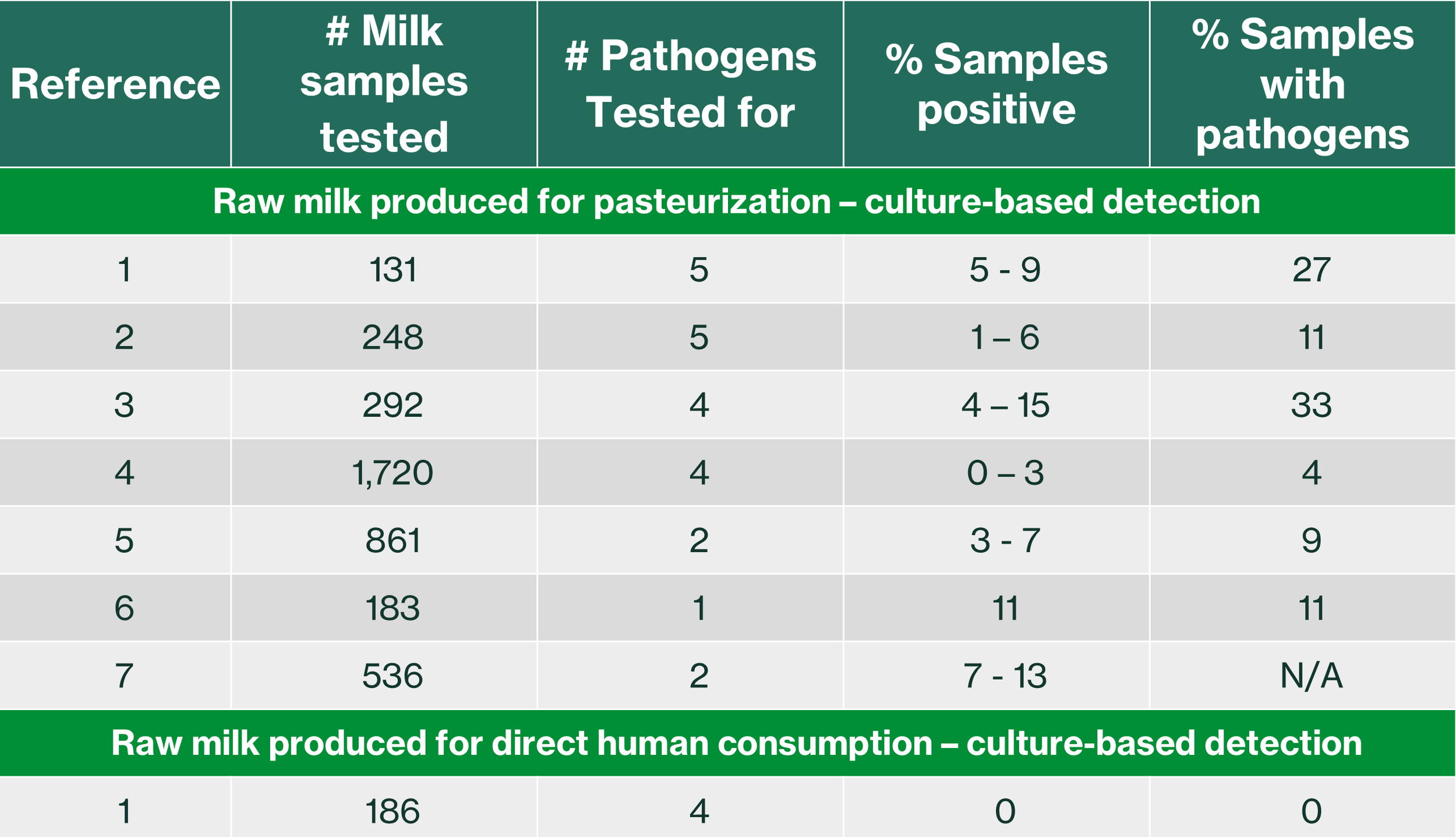
Table 2: Pathogens in two types of raw milk measured by culture-based methods
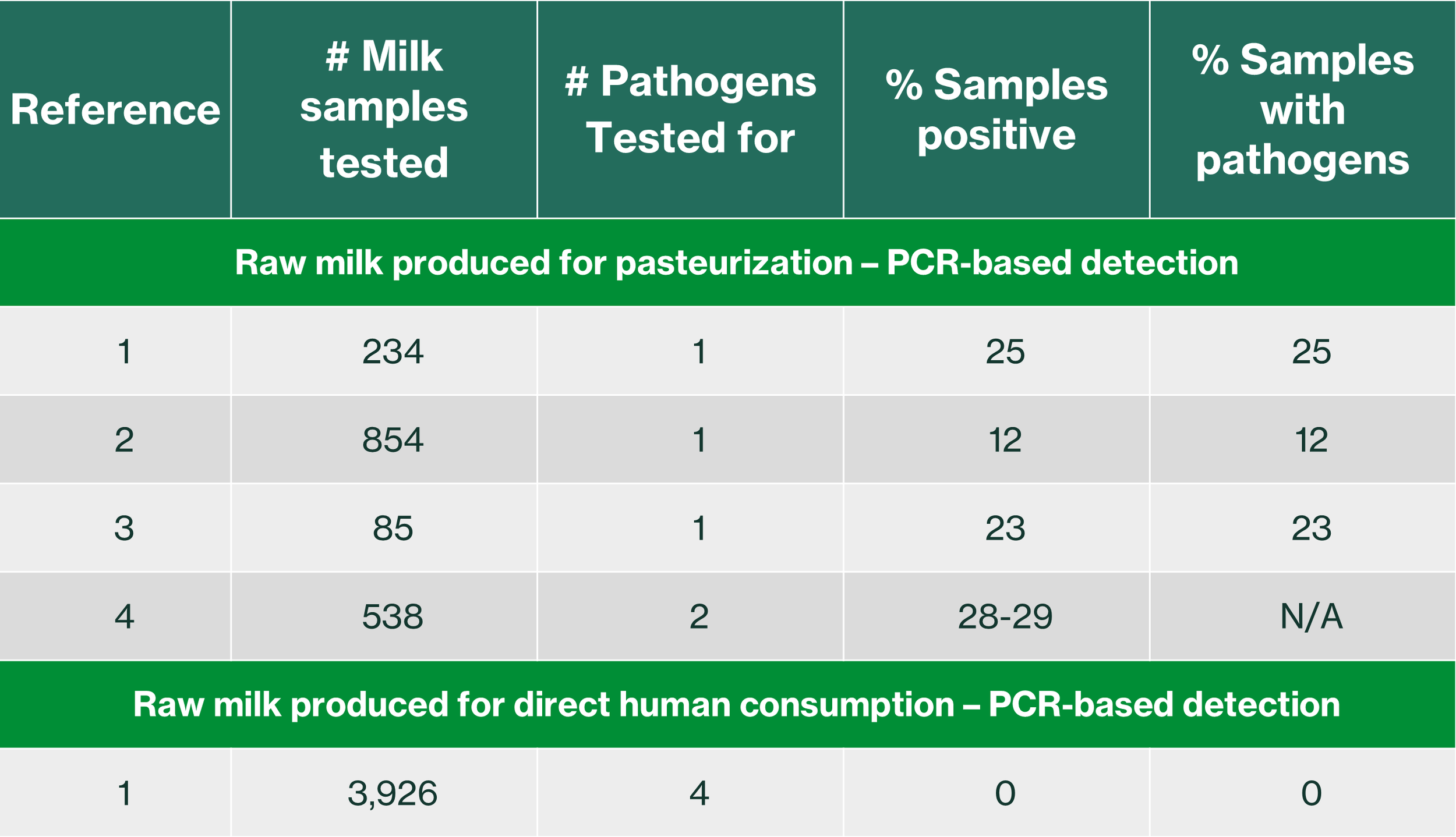
Table 3: Pathogens in two types of raw milk measured by PCR methodology
Health benefits of raw milk – protecting against allergy and asthma
The distinction between types of raw milk matters because evidence suggests that raw drinking milk - when produced safely - offers benefits pasteurized milk does not, particularly in protecting against allergies and asthma. Children who consumed pasteurised milk were more likely to show signs of milk allergy [2].
I’ll write more about this but of you’re interested, look at reference 1.
It appears that certain heat-sensitive natural bio-active substances are destroyed by pasteurization including certain:
Proteins
Fats
Beneficial milk microbiota
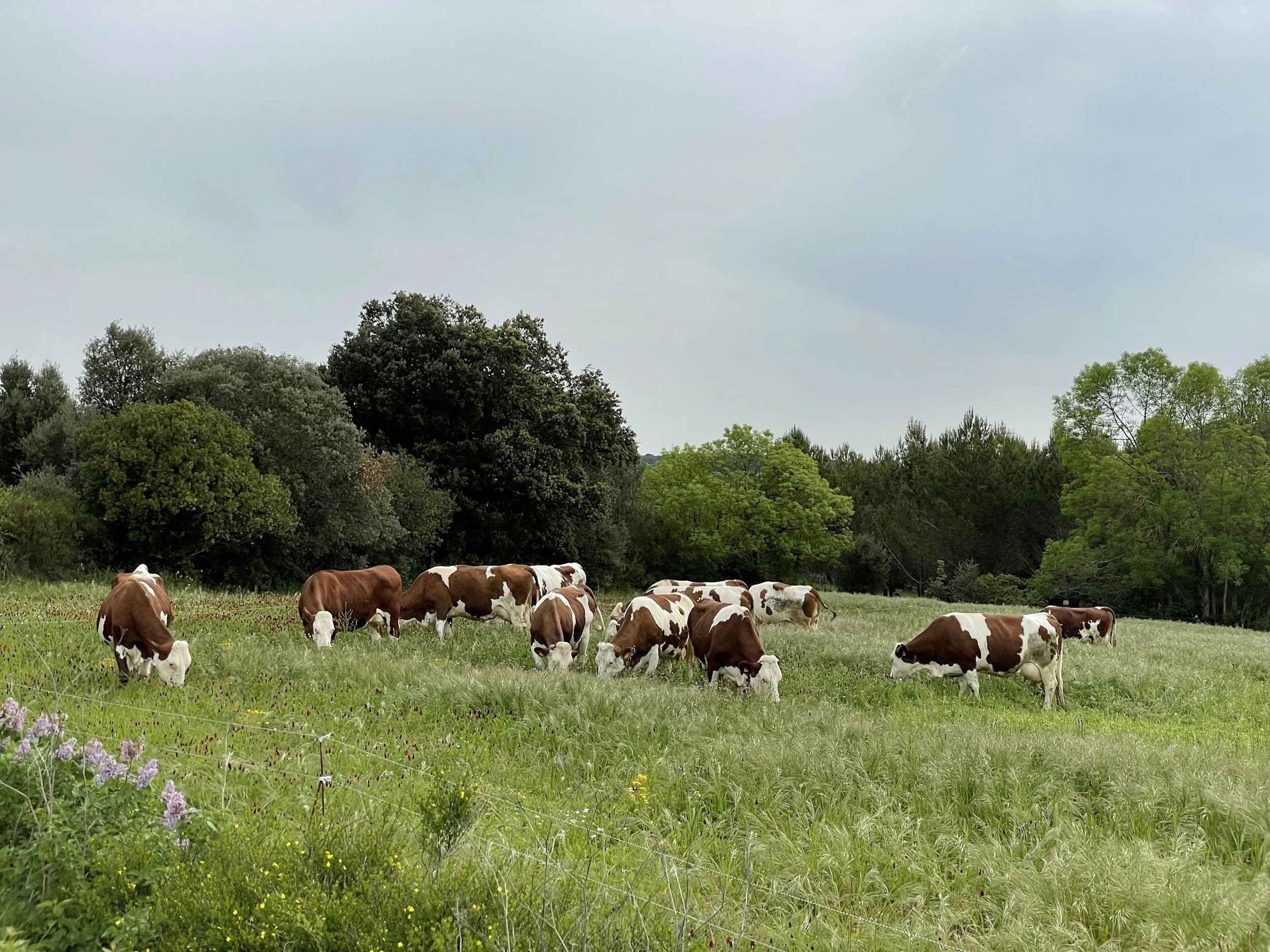
Why single out milk?
We routinely buy and consume other foods raw or minimally processed:
Raw meats (e.g., steak tartare), raw fish (sushi, ceviche), caviar
Raw eggs, many dairy products
Fresh fruits and vegetables
These are deemed safe when produced with safety and hygiene in mind to minimise risks and preserve benefits. Milk is the outlier: only processed (pasteurized) final products are widely available. Risk is emphasized and benefits downplayed. Safe production allows us to enjoy raw foods' advantages - why not apply the same to milk?
Summary
There are two very different types of raw milk:
Carefully produced raw drinking milk - made with high standards of animal health, hygiene, and testing for safe direct consumption. It is low-volume, local, nutrient-dense, and probiotic-rich. Data shows very low to zero pathogen risks.
Bulk commodity raw milk - unsafe for direct consumption. High-volume industrial feedstock for pasteurisation. Production tolerates higher contamination because heat treatment follows.
Raw milk is not inherently dangerous. Production standards are important. The series will explore benefits, safe production, and legal access.
References
Sozańska B. Raw Cow's Milk and Its Protective Effect on Allergies and Asthma. Nutrients. 2019 Feb 22;11(2):469. doi: 10.3390/nu11020469. PMID: 30813365; PMCID: PMC6413174.
Depner M, Ege MJ, Genuneit J, Pekkanen J, Roponen M, Hirvonen MR, Dalphin JC, Kaulek V, Krauss-Etschmann S, Riedler J, Braun-Fahrländer C, Roduit C, Lauener R, Pfefferle PI, Weber J, von Mutius E; PASTURE Study Group. Atopic sensitization in the first year of life. J Allergy Clin Immunol. 2013 Mar;131(3):781-8. doi: 10.1016/j.jaci.2012.11.048. Epub 2013 Jan 16. PMID: 23333112