Nature - 2026 Autumn equinox - one astronomical event with two names
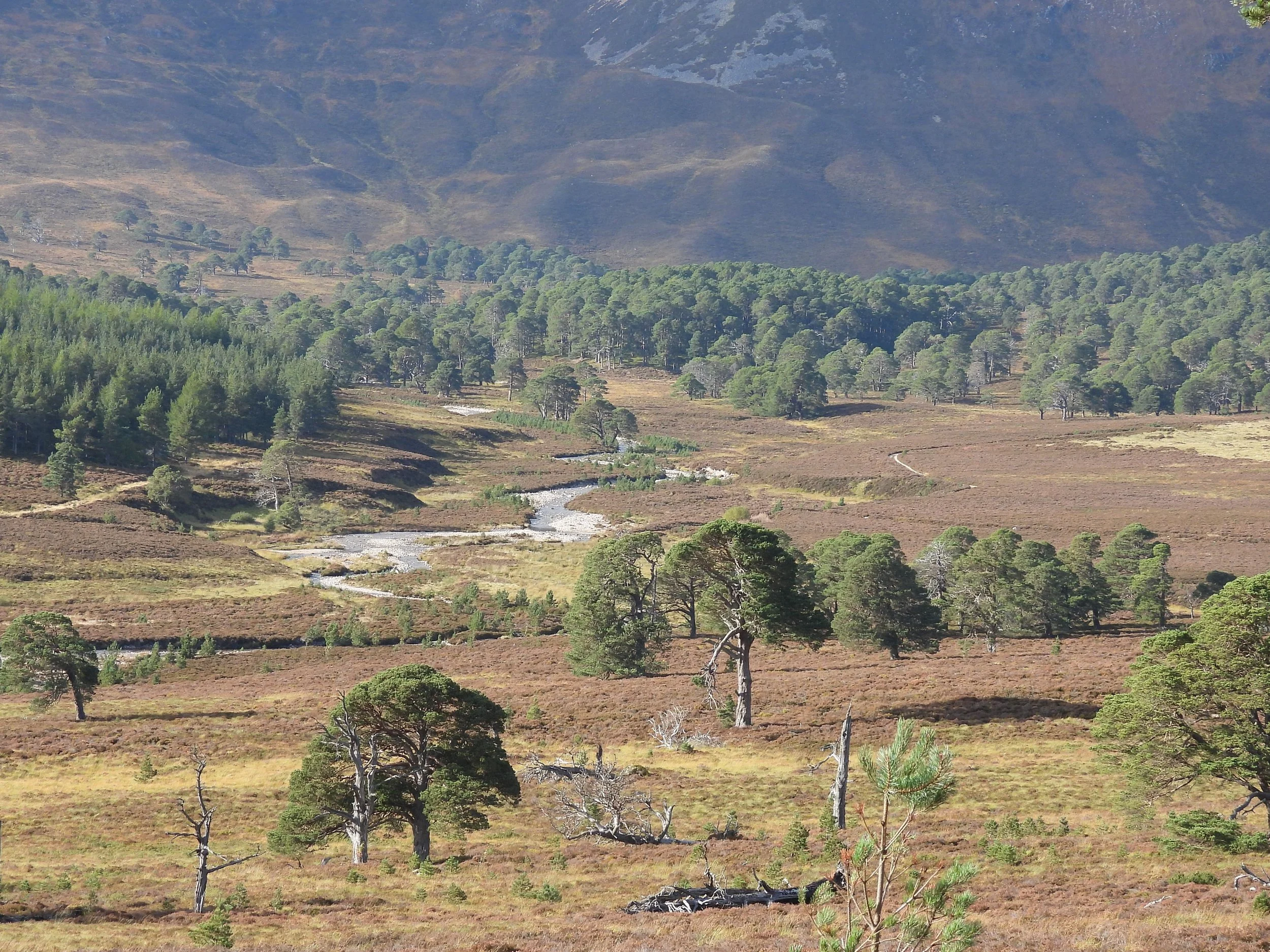
Glen Quoich in the Scottish Cairngorm mountains
Hours of daytime sunlight and nighttime darkness are roughly the same today, everywhere in the world. The sun has been moving south since the summer solstice and today it crosses the equator. In the northern hemisphere we call it the autumn equinox whereas in the south it’s the spring equinox.
Apart from the fact that Scots will increasingly be heard muttering “…the nights are fair drawin’ in…”, so what?
An environmental signal
At the equinox we experience the largest change in what is arguably our most informative environmental influence (sunlight). Day length is changing at its fastest rate of the year, and in the northern hemisphere its direction is down.
Let’s consider why day length matters. Compared with other seasonal influences such as temperature and food availability, it is predictable. It follows that evolutionarily that many organisms have evolved to use day length as a forecast of the coming season.
Implications of the environmental signal
Mammalian breeding - Sheep, goats and deer are "short-day breeders" and they mate in autumn as the nights lengthen. After a summer of feeding, females are at their heaviest and in peak condition. After a five- to eight-month gestation, birthing coincides with the peak of the spring and summer growth flush, when females need the most energy for lactation and when the young start eating solid food.
Plant shut-down – trees breakdown chlorophyll and reabsorb nutrients, such as notrogen. Leaves start to drop
Bird migration is underway – sadly, the swallows have mostly disappeared again