Nature - Winter solstice 2025: Sauna is a sunlight replacement
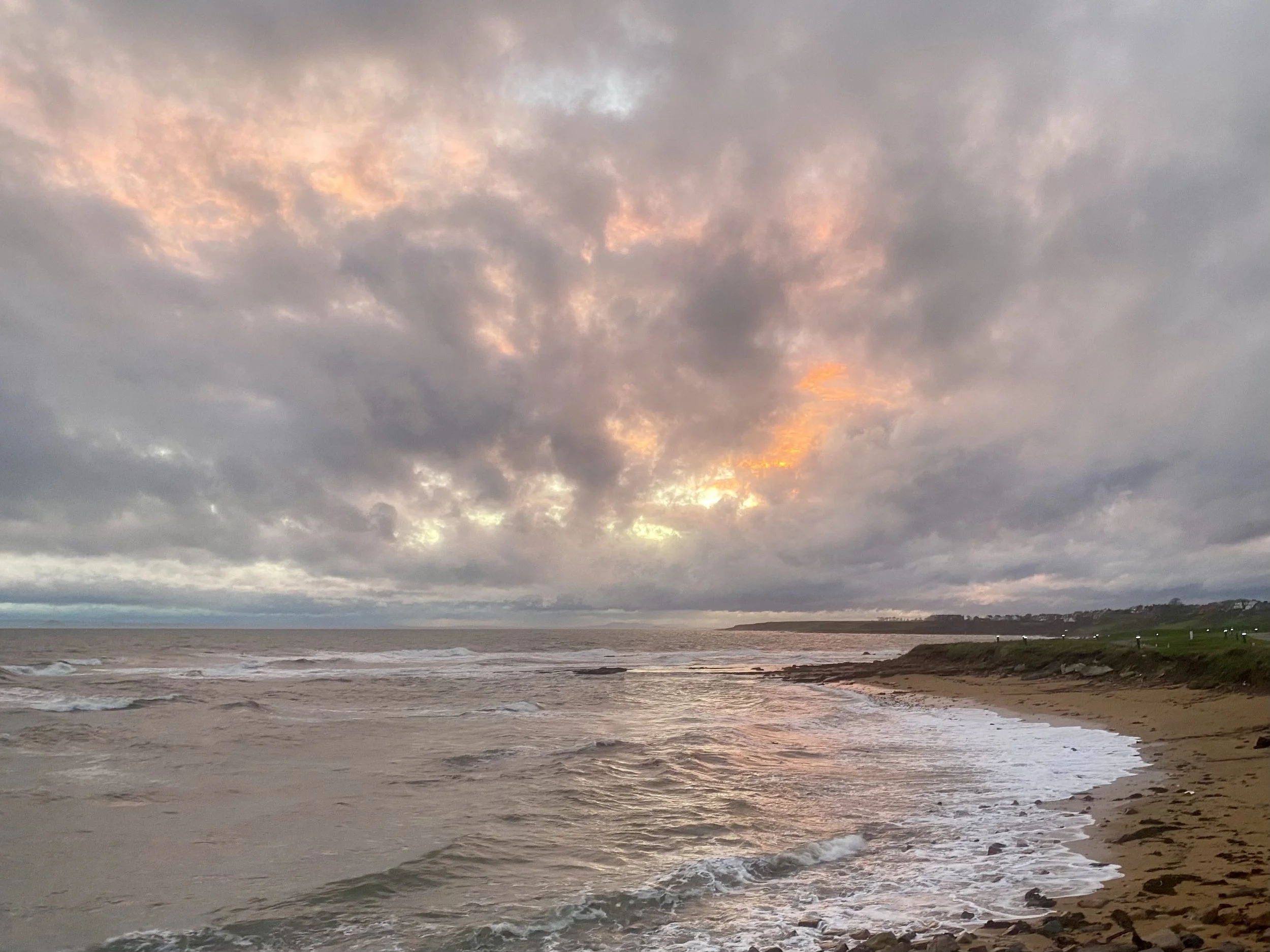
Winter sunset during a run along the Crail beach
Winter solstice
21 December 2025 is the winter solstice in the northern hemisphere - the day with the least daylight and the greatest darkness. Today is also the start of astronomical winter when the sun is at its lowest position in the sky throughout the day. From tomorrow, the sun will rise earlier and set later and each day will gradually grow longer (by about a minute) then accelerating to 2–4 minutes per day by late January and February.
Sunnier skies are never guaranteed in Scotland, the trend toward longer, brighter, and eventually (even here) warmer days has begun.
Last year I explored the cyclical nature of seasons in high-latitude places like Scotland. This time, as we emerge from the darker days, I’m going to reflect on how cultures even farther north may have adapted to these extreme light shortages.
The subtitle of this article comes from a post on an X account that I recently started following.
I’ll cover the following:
Why replace sunlight in winter – and where did sauna originate?
How do saunas mimic sunlight?
A note on beneficial stress
Why replace sunlight in winter - where did sauna originate?
Why replace sunlight in winter?
I describe how human biology derives energy from sunlight in an article entitled All life on earth absorbs sunlight for energy…including humans. I summarized my views thus:
“For me, sunlight has become as essential as exercise or diet - a natural resource I actively seek out. Like water or food, too much can be harmful, but the right dose is life-enhancing.
The evidence is clear: sunlight provides a net health benefit.
Near-IR – enhances mitochondrial efficiency, improving metabolism and performance with no downsides I can find
UVB – supports immunity, reduces disease risk, and extends lifespan when exposure is managed safely”
In countries at even higher northern latitudes - Finland, Norway, Sweden, Estonia, and Russia - winter includes not just short days but, in the far north, full polar night with no full sunrise for extended periods. No direct sunlight isn't just inconvenient; it profoundly impacts human biology – mood for example.
Where did sauna originate?
The northern countries named above have embedded sauna (banya in Russia) traditions into everyday life, often as a weekly or daily ritual.
The correlation is compelling - sauna culture flourishes where winter sunlight is missing, potentially serving as a cultural adaptation to "replace" missing solar exposure.
How do saunas mimic sunlight?
Let’s be clear, a sauna does not mimic the full spectrum of sunlight – no UVB, for example. However, it does mimic infrared (IR) the most abundant (approximately 50%) part that reaches us on planet earth. IR benefits human biology by penetrating deep into the body, stimulating energy production, blood circulation and producing melatonin, our most important anti-oxidant. It is good for our skin, bones, and every organ in the human body.
That post-sauna recharge - feeling energized rather than just warm—mirrors the "battery-charging" effect of sunlight's near-IR. In long, dark winters, regular sauna use may help mitigate the loss of natural IR exposure, providing beneficial heat stress (hormesis) that builds resilience.
As my friend on X puts it:
“…after a sauna, you don’t just feel warm. You feel re-energized. You’ve literally charged your intracellular batteries.”
If you want to get into the details of why this is so, read on here.
A note on beneficial stress
I think you know a sauna session is helping when you start to feel uncomfortable. I find this happens after 15-20 minutes in a traditional sauna at 80C or in a near-IR sauna at 50C. Our heart rate increases, and we sweat. That discomfort is a beneficial signal. Without it, you’re just sitting in a warm room.