Bread is Sugar
In a Nutshell
Starches in common foods like bread, rice, pasta, and potatoes are rapidly converted by your body into glucose (sugar)
Consumption regularly in abundance, sugar is converted into and stored as fat, and contributes to chronic disease
Reversal is achieved by cutting down on starchy foods as shown for drug-free T2D remission
This is a visual reminder that our modern diet contains starchy food that is unhealthy when eaten regularly in abundance.
Starches are very quickly converted by the human body into sugar (glucose). That glucose in turn causes our body to generate insulin. When this happens repeatedly, we typically gain unhealthy levels of fat and, over time, can end up with a chronic disease depending upon our genetic makeup.
Here are pictures of common food that is essentially sugar alongside, where available, estimates of their sugar equivalent from Dr. David Unwin.
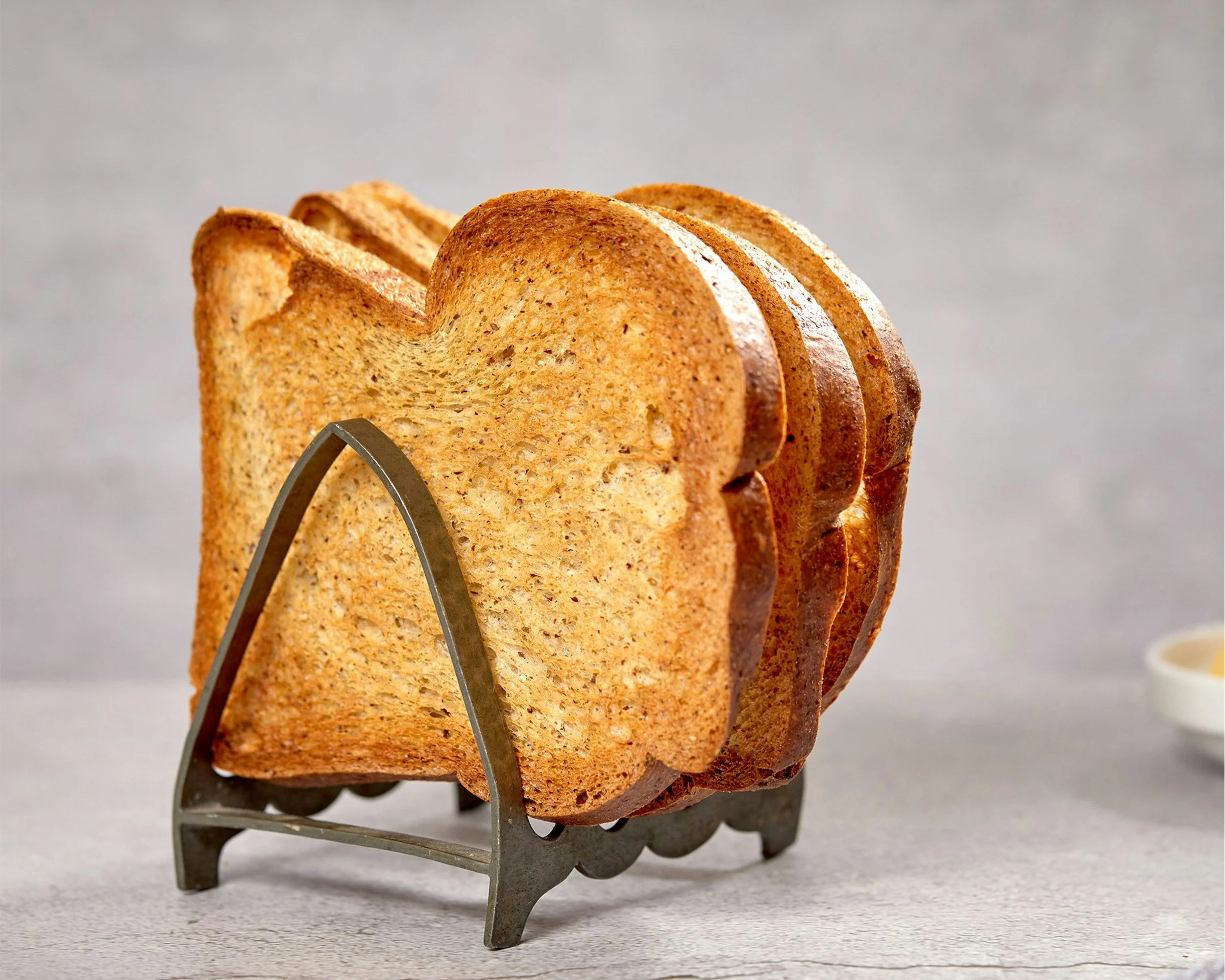
Bread - 30g wholegrain barley - 6 teaspoons of sugar

Rice - 150g white rice - 10 teaspoons of sugar
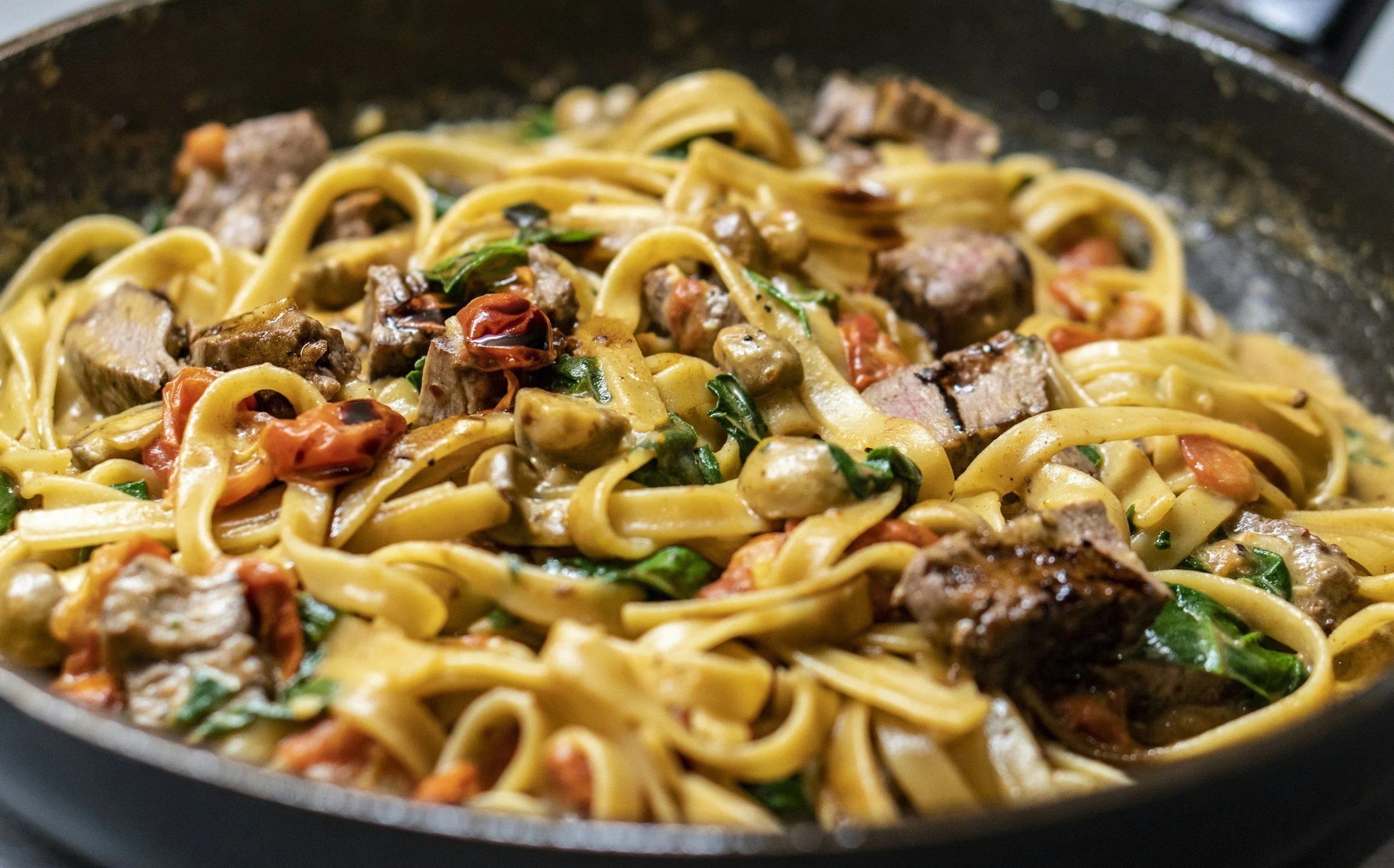
Pasta - 180g spaghetti - 7 teaspoons of sugar

Potato - 100g bake potato - 6 teaspoons of sugar

Breakfast cereal - 30g Cornflakes - 4 teaspoons of sugar

Fruit juice - 100mL apple juice - 4 tablespoons of sugar

Croissant
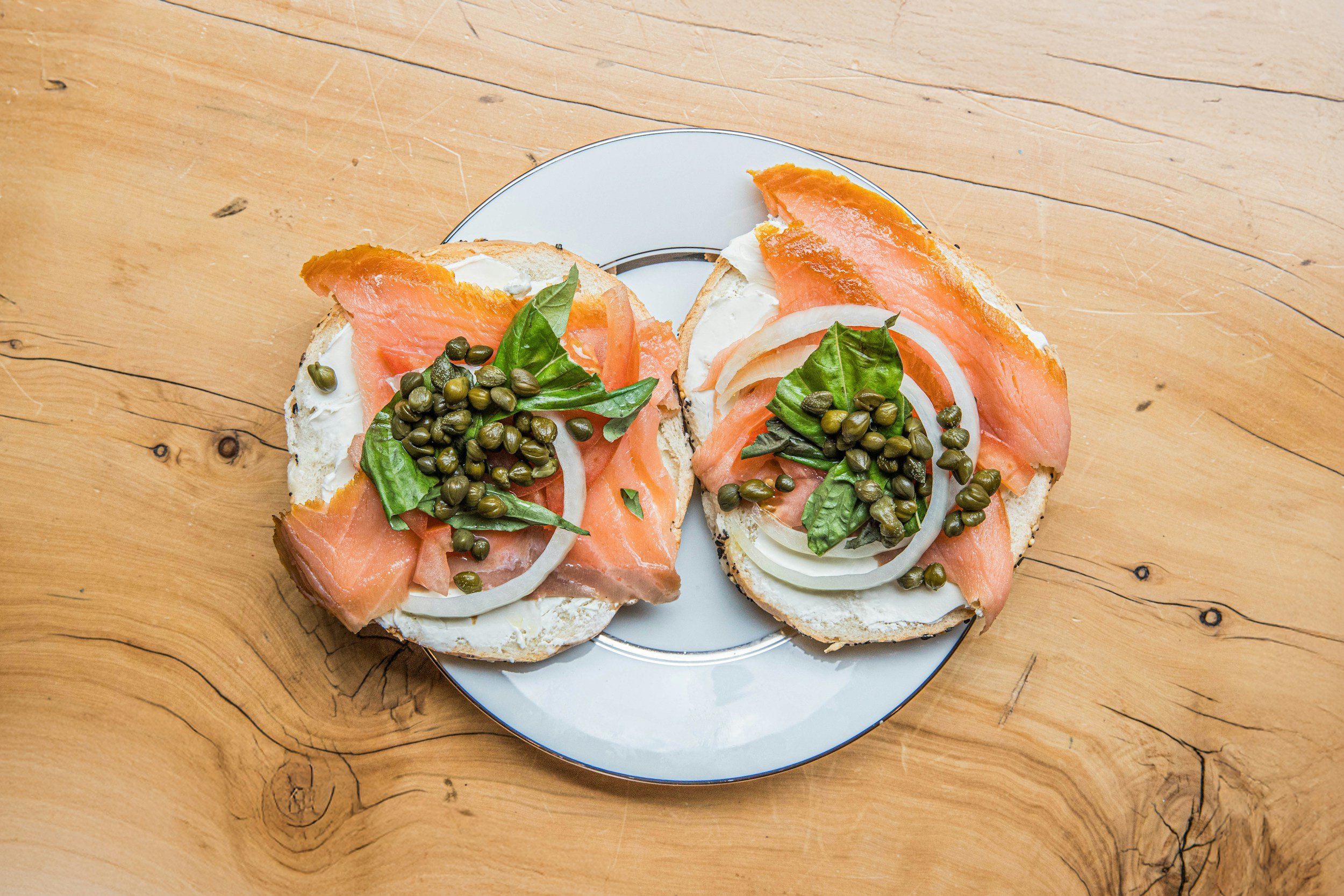
Bagel
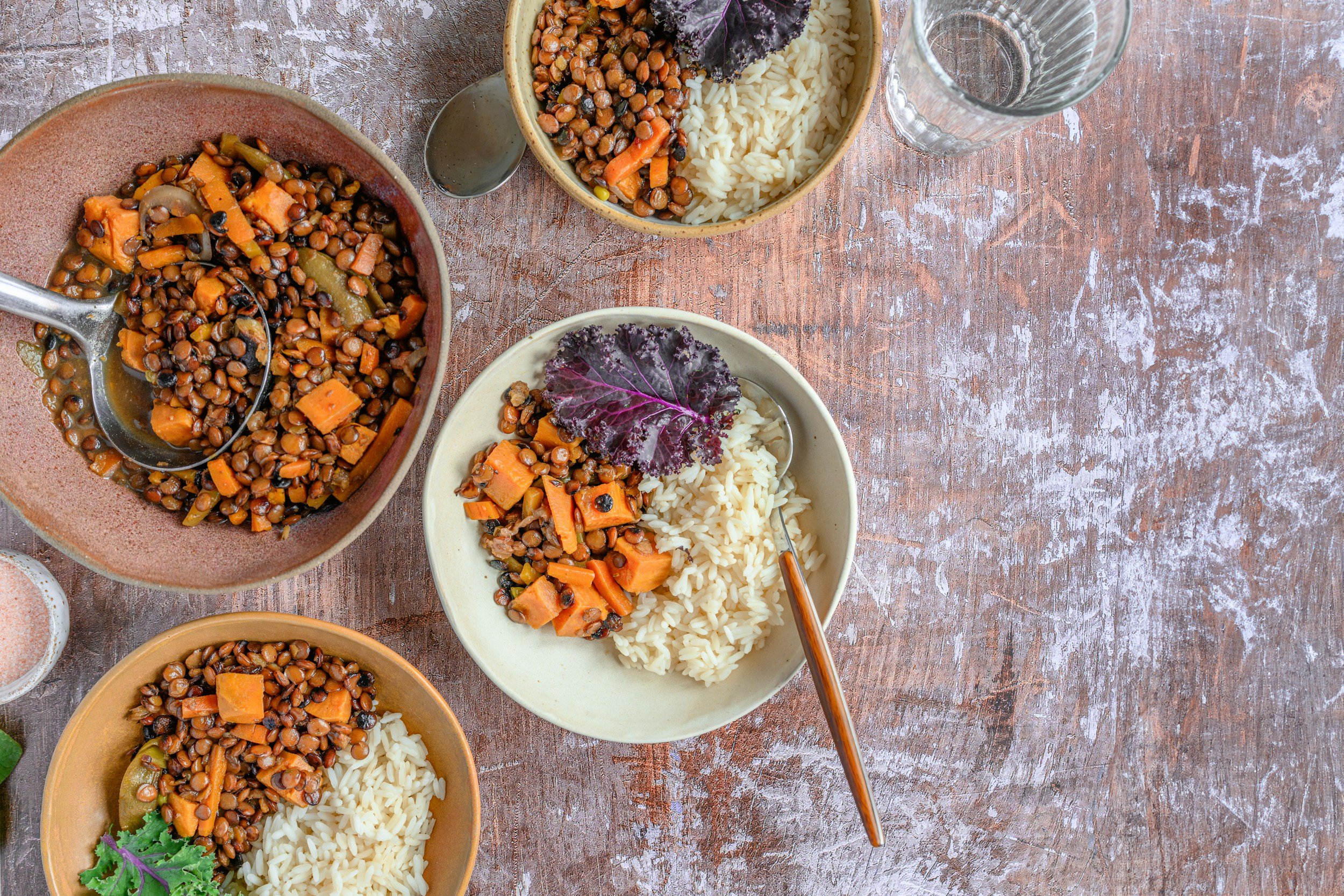
Beans and lentils
Summary
Many starchy everyday foods are metabolically similar to sugar that, when eaten regularly and in abundance, drive weight gain and contribute to so-called chronic diseases. This is now recognized in new dietary guidelines in America (2025 – 2030). Those guidelines acknowledge that decades of high-sugar and high-starch recommendations have fueled unprecedented levels of obesity and metabolic illness. They now recommend reducing refined carbohydrates, and prioritizing protein, healthy fats, and other real food.
Now, there is much good news. Many people reverse obesity, Type 2 Diabetes, and other unhealthy conditions by changing what they eat. Dr. David Unwin has helped hundreds of patients achieve drug-free remission for Type 2 Diabetes. His six-step process is as follows
Cut back on sugar and starchy carbohydrates
Increase your intake of greens and protein
Don’t fear healthy fats
Track changes over time
Embrace support
Medication isn’t the only option
Continuing on the good news – what works for T2D works for most other modern maladies, including excess weight gain, heart disease, and many more.
Bread (and its starchy brethren) isn’t inherently evil, but treating it as a daily staple in large amounts is a modern mismatch with human metabolism. Small, sustainable shifts toward fewer refined carbs and more real foods can yield big results.